
STRATEGIC CONSULTING & MARKETING FIRM
Marketing Systems for Scaling Status, Authority, and Freedom.
Resurreccion Media helps business owners scale online through timeless marketing strategy, operational systems, and business advisory.
CORE SOLUTIONS
AI-ENHANCED DIAGNOSTIC
Client Growth Audit
AI-powered diagnostic with expert strategic analysis designed to help identify potential friction points, growth opportunities, and strategic recommendations for your business. Our process combines 47 data points with experienced business analysis.
One-time fee
$3,500
72-hour expert delivery
AI data analysis with strategic interpretation
Expert competitor intelligence
Custom 90-day strategic roadmap recommendations
Business growth projections based on your metrics
Every engagement begins with clarity.
The Client Growth Audit is how that clarity is created.
CONTENT INFRASTRUCTURE
Content Revenue System
Never pay for a marketing agency again. Our AI-enhanced Content Revenue System creates strategic marketing plans tailored to your brand and business, and is strategically optimized with expert curation.
Starting at
$60,000
4-month strategic system
AI-backed marketing plans with strategic refinement
Expertly curated content calendars and campaigns
Performance optimization and iteration
Multi-platform strategic adaptation
Pricing is tailored based on scope and company size. Engagements start at $60,000, paid in advance.
EXECUTIVE STRATEGIC ADVISORY
1 on 1 Private Advisory
Private, principal-level advisory for founders navigating scale, simplification, or exit.
This is not coaching or execution.
This is strategic oversight.
I work directly with the founder to pressure-test decisions, identify blind spots, and design the moves that materially impact growth, leverage, and risk.
Investment:
$225,000
per year
Direct advisory relationship with the founder
Strategic decision support and guidance
Marketing and business strategy alignment
AI-supported analysis used internally to inform judgment
Human oversight in all strategic recommendations
Engagement Structure:
Annual engagement
Limited availability
Paid in advance
Important Note:
This engagement is designed for founders where decisions carry meaningful consequences.
Availability is limited and offered by fit, not volume.
Content Marketing Services


AI Products & Services


Paid Advertising Services
Meta Ads
Why AI-Enhanced Strategy Wins
❌
Traditional Agencies
Guess and hope
Manual inefficiency
Generic templates
⚡
Our Method
Analyze with AI + interpret with expertise
Efficient delivery with strategic precision
Data-driven insights with custom strategy
✅
Your Results
Faster clarity
Smarter execution
Sustainable growth
We merge human expertise with AI efficiency to help your business scale smarter. Our frameworks turn complexity into clarity, chaos into systems, and effort into results. Designed for entrepreneurs and business owners ready to simplify, systemize, and scale with confidence.
The Resurreccion Media
Agency Advantage
The future isn't AI replacing experts - it's AI amplifying expertise.
Our AI-enhanced approach means faster insights through AI analysis, deeper strategy through human expertise, and better results through the combined approach. You get the efficiency of AI with the wisdom of experience.
Meet ZIN: Your 24/7 AI Growth Advisor
Our proprietary AI Advisor trained on $10M+ in real-world scaling strategies.
ZIN isn't a tool - it's a strategic extension of how we think, scale, and solve at Resurreccion Media. No guesswork. No fluff. Just clarity, direction, and speed.
(Zen, Intelligence, Now)
Client Growth Audit Built for Serious Operators
$10M+
In client results facilitated
47
Data points analyzed per audit
72hrs
Expert delivery
Ready to Install Your Marketing System?
Choose your growth accelerator and see exactly how we'll transform your marketing with AI-enhanced human expertise.
We Build AI-Enhanced
Marketing Systems.
Built on the belief that most agencies overcomplicate and most consultants overpromise - Resurreccion Media was created to do one thing:
Deliver clarity, direction, and speed to elite founders who want to scale, simplify, or exit.
We merge timeless marketing strategy with operational precision, so your business isn’t just successful...
It’s scalable, sovereign, and sale-ready.
Scale revenue without scaling chaos
Build systems that run without them
Create brands that attract, convert, and compound
Prepare for high-value exits or long-term leverage
If you're looking for surface-level advice, you're in the wrong place.
If you're looking to install infrastructure that wins - welcome.

Frameworks That Move Founders Forward
Everything we teach is rooted in timeless principles, modern leverage, and battle-tested execution.
Our Core Frameworks:
The War Map: Master Marketing Strategy
The War Map is our Unfair Advantage for building marketing strategies with surgical precision - crafted to dominate your category, not just compete in it.
Evergreen Campaigns: The Growth Flywheel
Evergreen Campaigns are always-on marketing systems designed to consistently attract, nurture, and convert your ideal clients - without the need for constant launches or promotions.
The MOS Method
An intentional 90-Day Run crafted for Marketing, Operations, and Scale.
Build from foundation to freedom.
The 5 Pillars of Massive Scale
Foundation. System. Automation. Scale. Exit/Expand.
Cashflow. People. Brand.
If one breaks, growth stalls.
Clarity - Direction - Speed Protocol
Simplify decision-making. Eliminate drag. Accelerate momentum.
ZIN: The Ai Growth Advisor
Personally designed by Shungunna, ZIN combines Resurreccion Media’s private consulting playbooks and real-world wins from scaling 7-9 figure companies.
ZIN isn’t a tool - it’s a strategic extension of how we think, scale, and solve at Resurreccion Media.
Designed to guide founders in real time using principles that have already generated results in the real world.
No guesswork.
No fluff.
Just clarity, direction, and speed.
High Status Networking
Achieve Local Celebrity Status.
Become locally legendary. Monetize positioning. Create inbound gravity.
Increases your Social Status within your Network.
Advisory Designed for Domination
We don't offer done-for-you gimmicks.
We offer advisory that shifts the trajectory of your business in days - not quarters.
Three Ways to Engage:
The Client Growth Audit
A diagnostic that reveals friction points, growth levers, and your clearest path forward.
Our AI-powered audit process combines advanced analytics with strategic expertise.
Click here to explore this service
VIP Day with Shungunna
One day. One focus. One high-level blueprint tailored to your brand.
$25,000 (4-hours) or $50,000 (8-hours)
Click here to apply now
High-Level Advisory
Weekly consulting for founders ready to scale, simplify, or sell - with a partner in your corner.
Click here to apply now
*All engagements begin with an application.
We only work with founders and companies we believe can help win.
Built Different. By Design.
"If you're serious about scaling, simplify first.
Then execute ruthlessly."
Most businesses drown in complexity.
We help founders eliminate friction, install leverage, and become known for something that lasts.
Resurreccion Media isn't a trend-chasing agency.
It's a precision firm for serious operators.

Apply to Work With Shungunna
This is the official intake form for private consulting with Shungunna, powered by Resurreccion Media.
We don’t accept every application.
But if you're a fit, we’ll invite you into the next phase.
P.S. Whether you’re a startup, a first-time business owner, or an experienced founder - if you’re ready to grow and scale, you’re welcome to apply.
ASSETS WE HELP YOU ESTABLISH
High Level Marketing Strategy Creation.

Unlock Evergreen Content Campaigns.

Achieve Local Celebrity Status.
Online Courses
GET THE UNFAIR ADVANTAGE
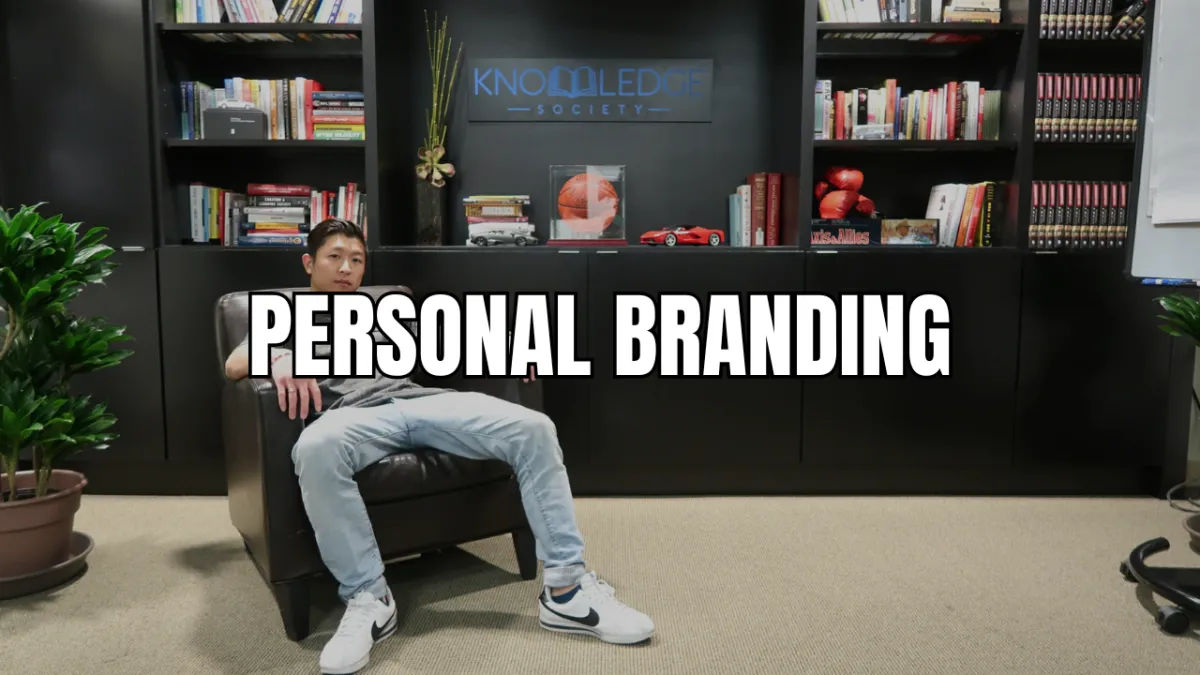
High Status Branding (Enrollment closed)
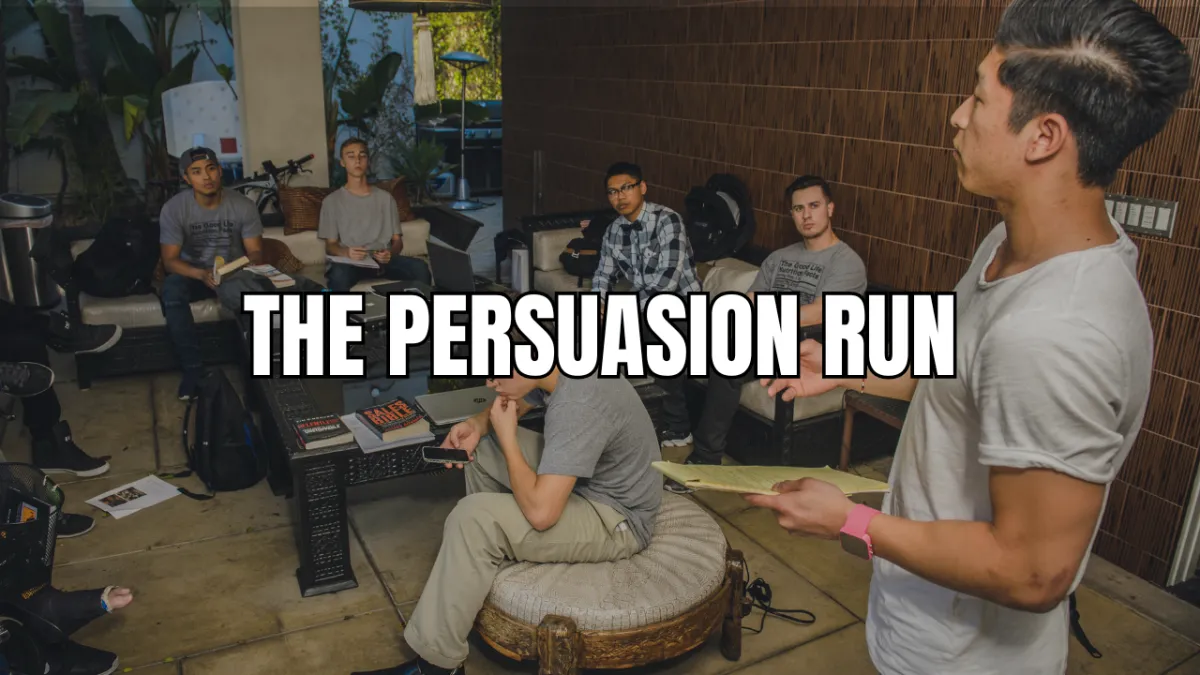
High-Ticket Sales Training Program

High Status Networking (Enrollment closed)
Strategic Playbooks for Brand Builders
Frameworks built for founders who execute.
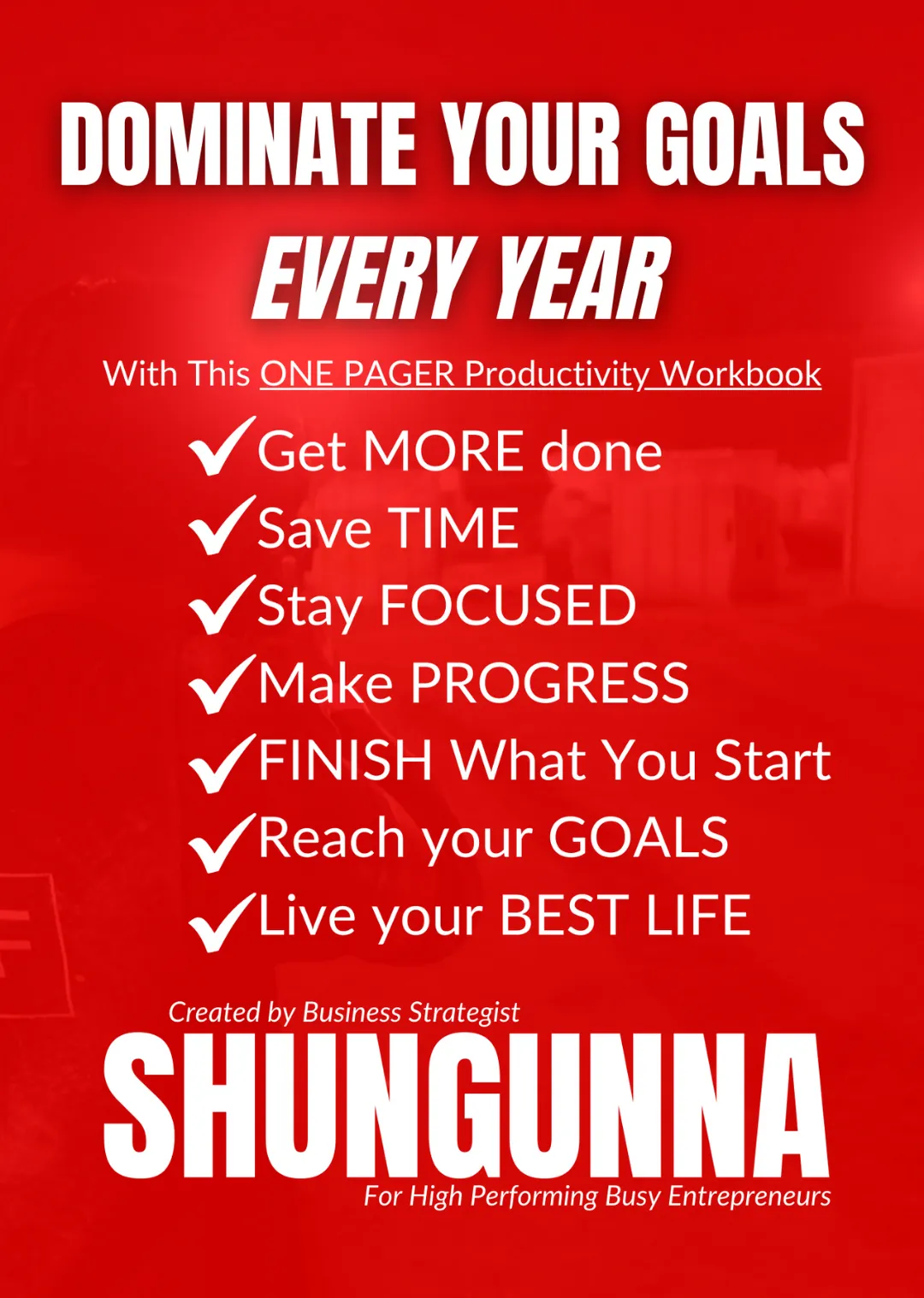
Productivity Workbook (E-book)

(Enrollment Closed)
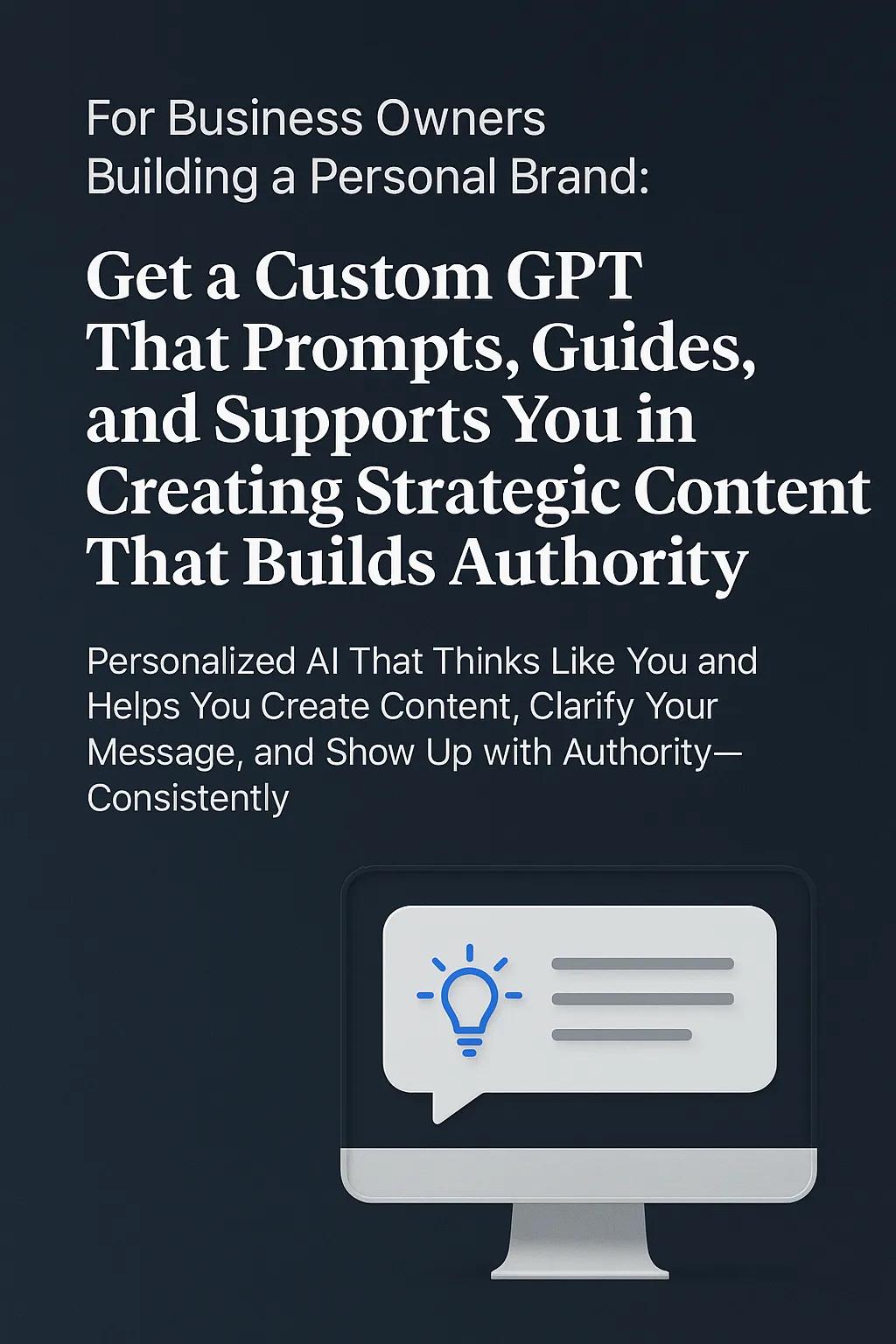
Custom Personal Branding GPT
BUSINESS SCALING NEWSLETTER
BUSINESS SCALING NEWSLETTER
🔒Your information is secure.
BUSINESS BLOG ARTICLES
Why Most Small Business Owners Stay Small Because They Think Small
Most small business owners stay small not because of the market, but because of how they think. Here’s why small thinking limits growth and what changes when the mindset expands. ...more
Mindset & Growth
March 05, 2026•7 min read

How Local Business Owners Expand Into New Markets Using Organic Social Media Marketing
Local business owners can expand into new markets using organic social media marketing. Learn how visibility, trust, and simple systems turn content into out-of-state clients. ...more
Business
February 28, 2026•7 min read

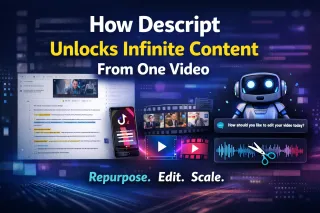
How Descript Unlocks Infinite Content From One Recording
Turn one video into dozens of content assets. Learn how Descript helps entrepreneurs repurpose content, reduce editing time, and unlock scalable distribution. ...more
Business
February 26, 2026•7 min read
Why Small Business Owners Must Build With an Exit in Mind Even If They Plan to Keep It Forever
Most small businesses cannot sell because they depend entirely on the owner. Learn why building with an exit in mind protects your legacy, increases value, and removes key person risk. ...more
Business
February 24, 2026•7 min read

What a Local Business Really Is and Why Most Marketing Advice Breaks When You Ignore It
Most marketing advice is built for online brands. This article explains what a local business really is, why that distinction matters, and how storefronts change everything about growth. ...more
Business
February 02, 2026•6 min read

Building a Personal Brand by Showing Up as Yourself
Building a personal brand works when you stay visible, real, and consistent. This post breaks down how showing up, sharing value, and embracing the process creates trust, momentum, and long-term oppor... ...more
Business
February 02, 2026•7 min read

Free Video Trainings from Resurreccion Media
Arbitrage in Leadership
Set Your Intentions for The New Year
Playing the Personal Finance Game
Collapse The Gap
Social Media Strategies in 2025
Level Up with The One Thing
Success Loves Speed
Embracing Self-Love and Personal Growth
Marketing and Branding
How to Boost Team Productivity and Grow Your Business
Intention Setting with The Hero's Journey
Social Media Marketing Strategies
Achieving Local Celebrity Status
Using SYSTEMS
Embracing Change for a Better Future
Resurreccion Media is a private Consulting Firm helping Entrepreneurs and Business Owners simplify and scale through strategic marketing systems and business advisory.
“If you’re serious about scaling, simplify first.
Then execute ruthlessly.”
RESURRECCION MEDIA
Partnering with Resurreccion Media means your business will be built to last.
By using our site, you agree to the resurreccionmedia.com Terms & Conditions, Disclaimer, and Privacy Policy.
Policies: Accessibility Statement.
© All Rights Reserved 2026